Régence revival Composition Frame
Category: Frames

Introduction
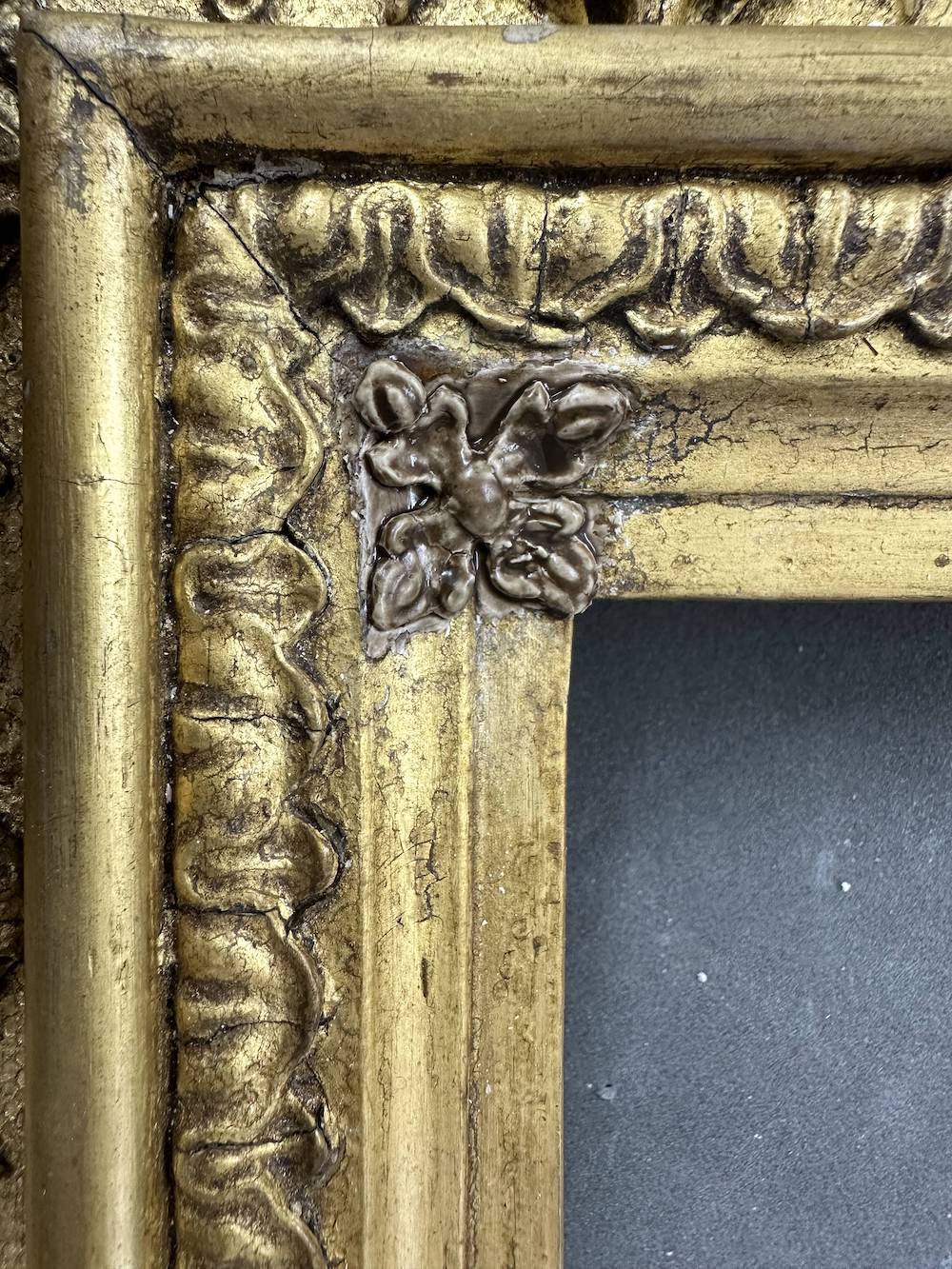
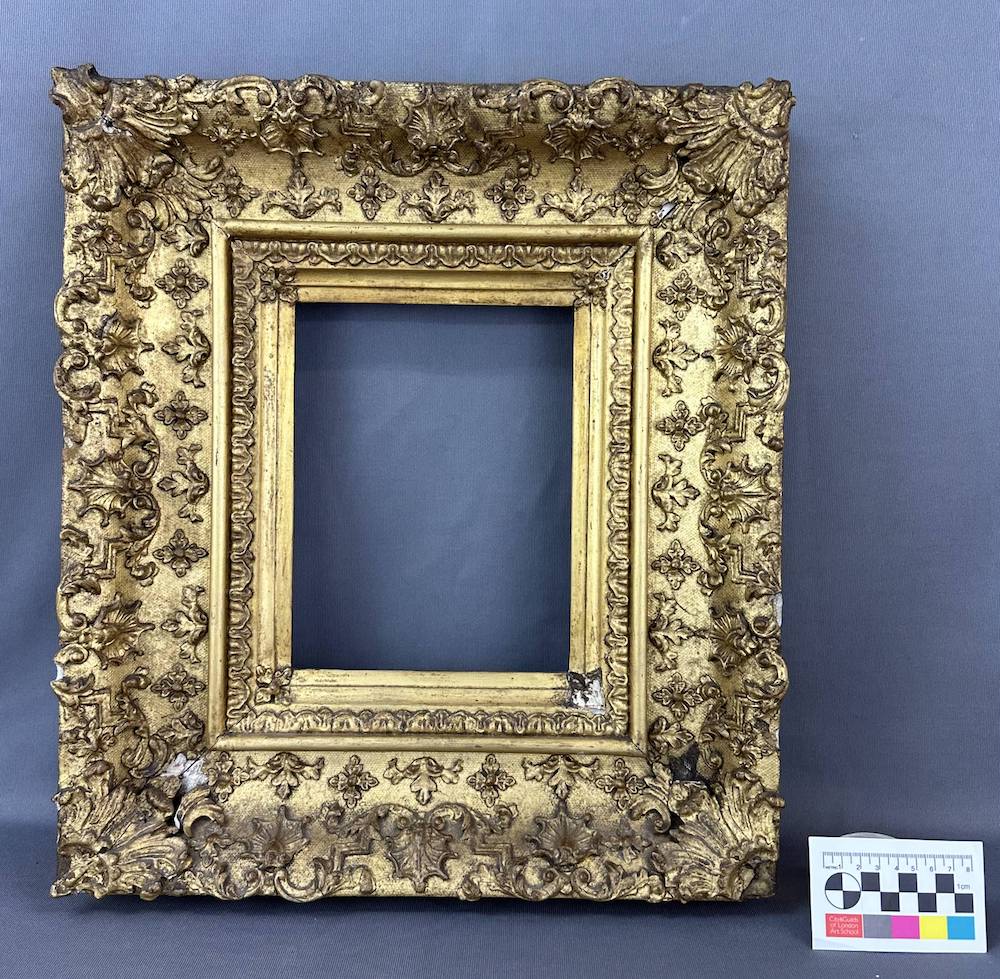
The frame and painting have been in a domestic environment for years. The owner could not provide additional provenance information. However, upon examination, it can be dated between 1830 and 1850, based on features like the lace decorating the gesso layer and the composition ornaments.
Condition Before Treatment
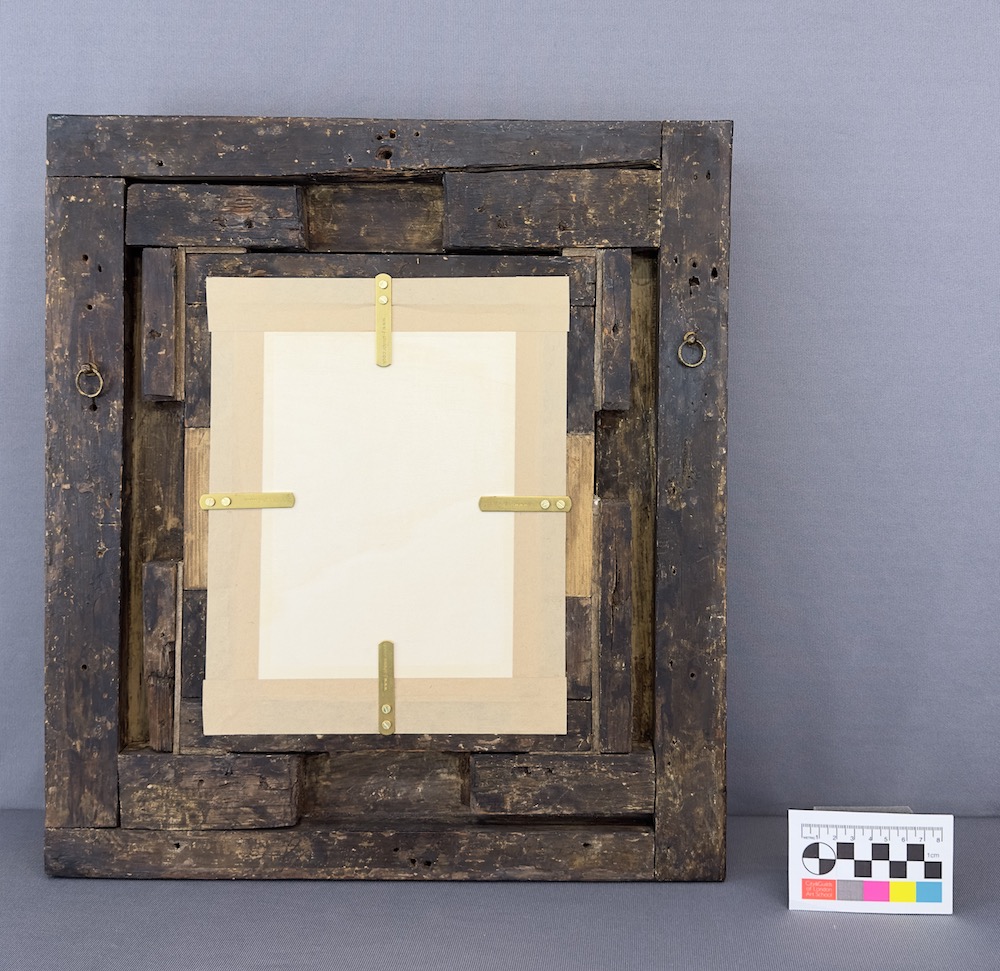
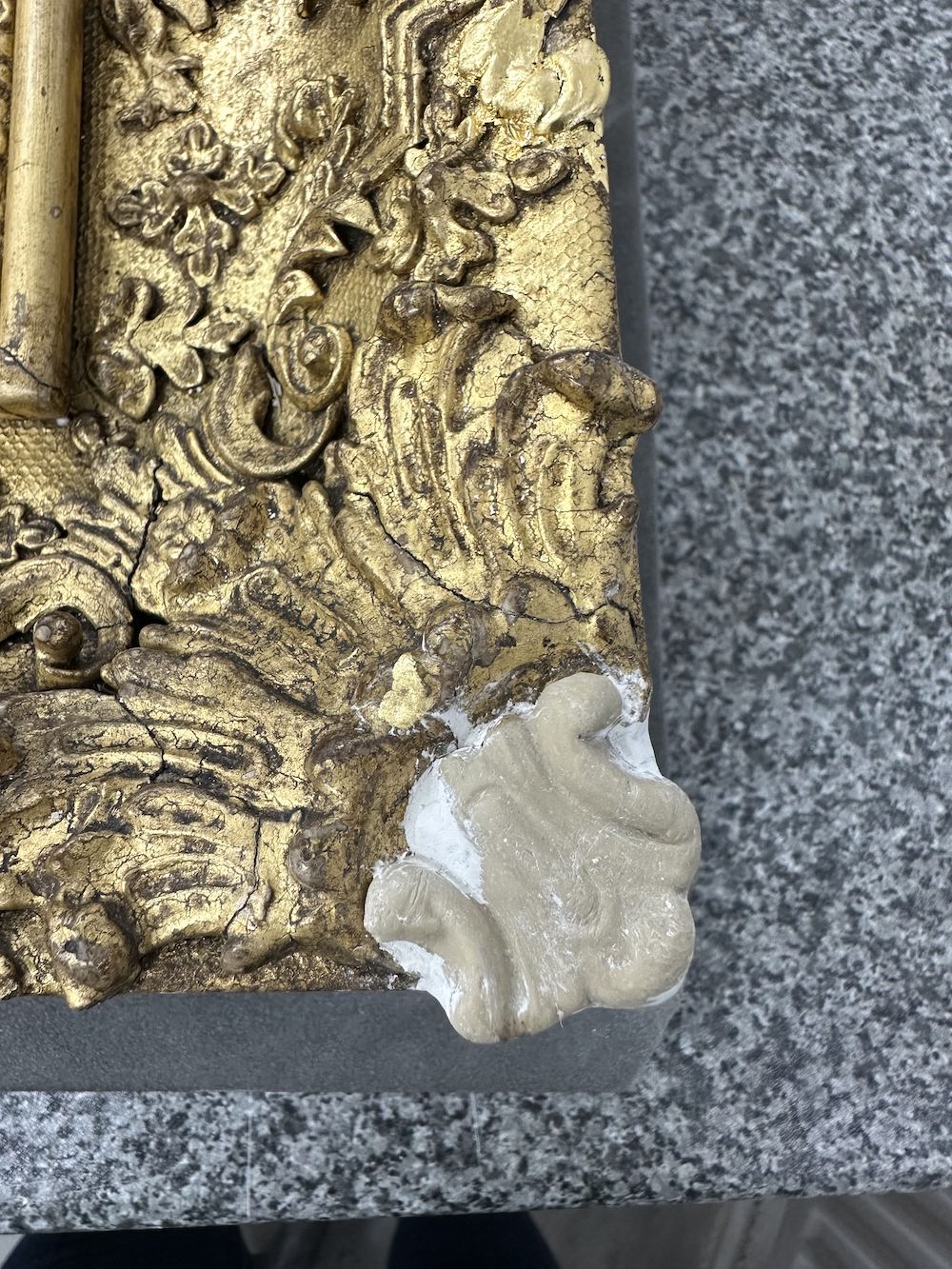
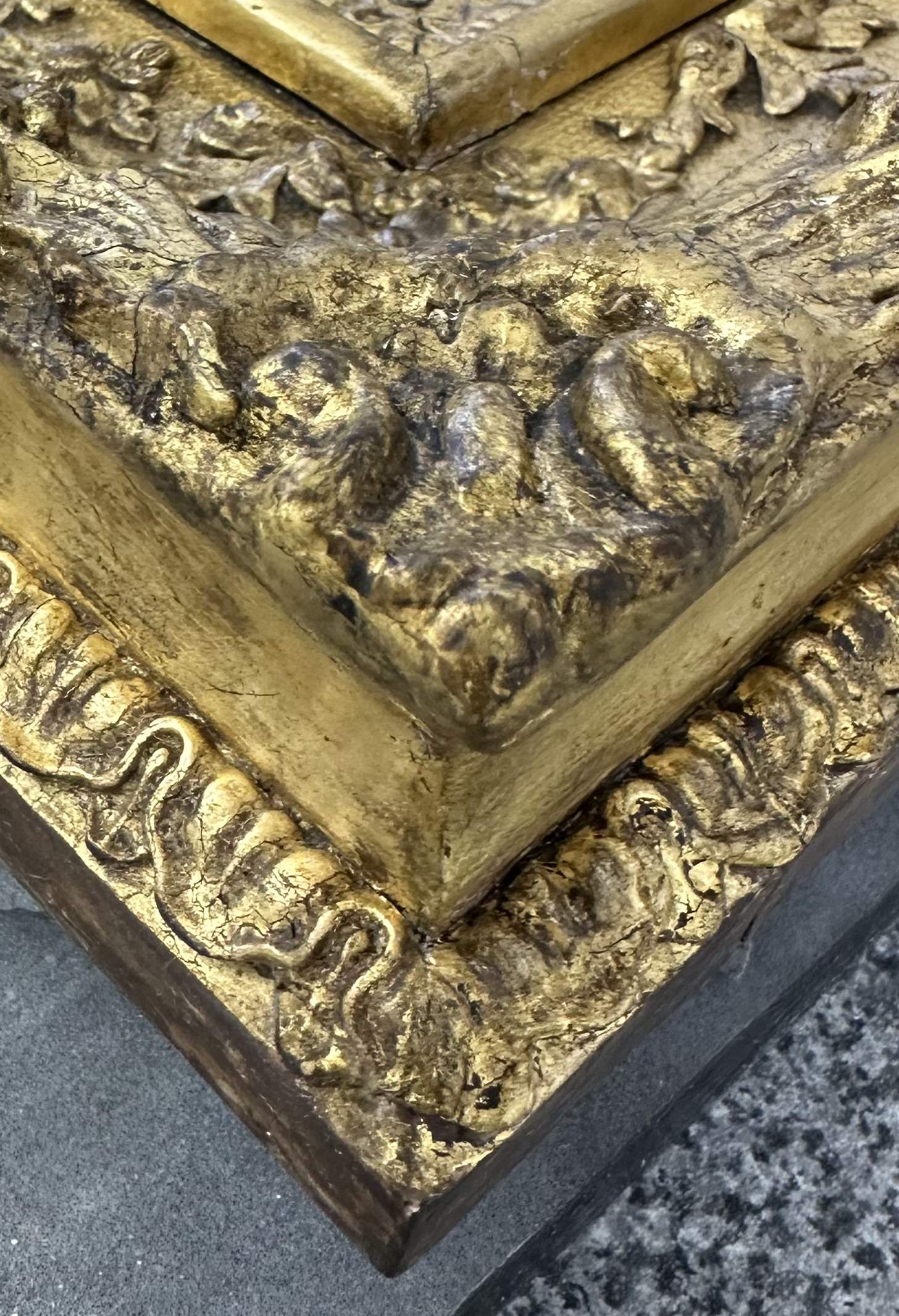
The inner frame containing the painting was unstable due to split timber where the nails were located, and there were areas of timber loss on the back frame. The nails were corroded. Multiple composition ornaments exhibited losses, with some semi-detached or completely detached. Exposed nails were visible due to cracks in the ornaments. There was ingrained dirt on all four members, losses in the gesso layer, and areas where the gesso layer was lifting. Accretions were present on the back frame. Additionally, the secondary support for the painting showed signs of a previous unstable repair.
Treatment
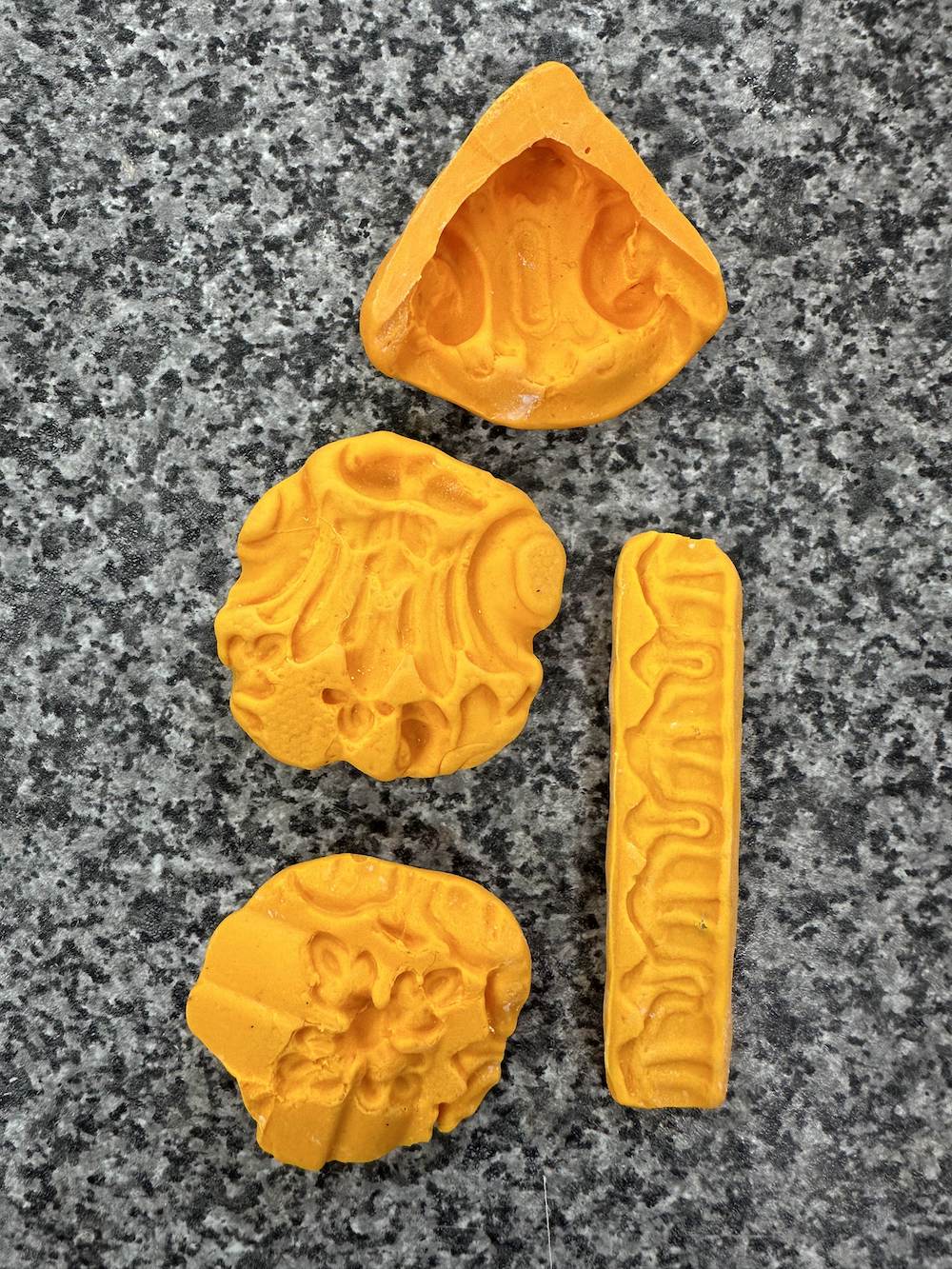
The treatment began with cleaning the gilt surface using a solution of Tri-ammonium Citrate in deionised water. Corroded nails were mechanically cleaned and protected with Paraloid B72 in acetone to prevent further corrosion. Split wood was adhered using hide glue, and additional blocks were added to complete the back inner frame, reinforcing the structure. Timber losses on the back frame were filled using Modostuc filler. Loose compo fragments were re-adhered with hide glue, and silicone moulds were cast to replicate missing compo elements. Minor losses were filled with gesso putty. Additions were gilded using a water gilding technique to ensure they remained distinguishable from the original oil gilt surface.
For the fitting of the painting, which was on canvas (primary support) and backed by a secondary backboard, additional support was required due to a partially split timber. A third support was constructed using three 2 mm plywood sheets. Spacers, cut from the same material, were used to immobilise the painting. Gummed tape was applied to seal the new backboard to the support blocks, and brass strips were added to secure and finish the assembly.
Image Gallery